
What Changes in Your Packaging During Spring and Summer
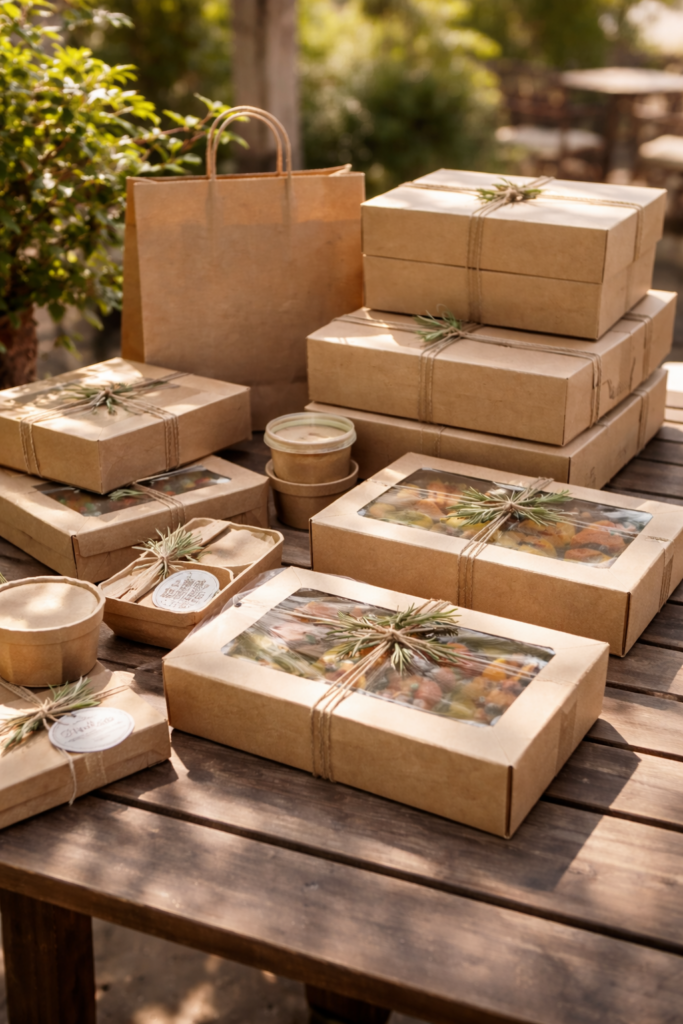
As temperatures begin to rise, food businesses face a new set of challenges that are not as noticeable during cooler months. Spring and early summer bring increased outdoor activity, longer delivery routes, and more off-site dining, all of which place additional demands on packaging. What worked well in winter may not perform the same way as the weather changes. Packaging must adapt to these seasonal conditions to maintain product quality and customer satisfaction. Heat, moisture, and transport time all play a larger role in how food arrives and is experienced. W Packaging works with foodservice businesses to identify warm weather packaging solutions that perform reliably in warmer conditions. As Q2 begins, understanding how seasonal changes affect packaging can help businesses stay consistent and prepared.
Heat Impacts Food Quality Faster
Warmer temperatures accelerate changes in food quality. Heat can cause ingredients to soften, melt, or lose their intended texture during transport. For baked goods and prepared foods, this can affect both appearance and taste. Packaging must help regulate temperature as much as possible. Materials that provide insulation and structures that allow for controlled airflow can help maintain product integrity. Proper packaging selection becomes especially important for businesses that rely on delivery or catering services.
Moisture Becomes a Bigger Challenge
As temperatures rise, moisture management becomes more complex. Condensation can build up inside packaging, especially when warm food is enclosed and transported in fluctuating conditions. Excess moisture can affect texture, particularly for items that rely on crispness or structure. Packaging that incorporates ventilation or allows for slight airflow can help reduce condensation. Finding the right balance between protection and breathability is key during warmer months.
Increased Movement and Outdoor Service
Spring and summer bring more opportunities for outdoor dining, events, and mobile food service. Products are often transported to parks, venues, and temporary setups where conditions are less controlled than a traditional storefront. Warm weather packaging must be durable enough to handle these environments. Containers should be easy to carry, stack, and transport without compromising the product inside. Packaging that supports mobility helps businesses expand their reach while maintaining quality.
Consistency Across Changing Conditions
One of the biggest challenges during seasonal transitions is maintaining consistency. Customers expect the same level of quality regardless of weather conditions. Packaging plays a critical role in delivering that consistency. Food businesses benefit from evaluating how their packaging performs in different environments. Adjustments made early in the season can prevent larger issues as temperatures continue to rise.
Preparing for Q2 and Beyond with W Packaging
Spring is a transitional period that leads into some of the busiest months of the year. Packaging that performs well in warmer conditions supports not only daily operations but also catering, events, and increased delivery demand. W Packaging helps businesses identify packaging solutions that are built for real-world conditions, including heat, moisture, and mobility challenges. If you are preparing for warmer weather and increased activity in Q2, now is the time to ensure your packaging is ready to support your business every step of the way.
Reach out to the W Packaging team today to learn more about all the warm weather packaging solutions we offer.